 astrophysics data system
Introducing the SciX Advisory Board
Dr. Anna Kelbert (SciX Project Scientist for Earth Science)
17 Jun 2025
We are excited to announce the formation of the SciX Advisory Board! This distinguished group of experts brings together a wealth of knowledge across a wide range of scientific disciplines. The Advisory Board will help guide the SciX mission, foster interdisciplinary collaboration, and support the growth of our open science community.
Meet the members of the SciX Advisory Board.
Louis Moresi
 Professor of Geophysics, Australian National University
Disciplinary Expertise: Geophysics
Dr. Louis Moresi is a geophysicist and computational scientist specializing in geodynamics and tectonics. He is a Professor of Computational Mathematics and Geophysics at The Australian National University (ANU). Dr. Moresi studied at the University of Cambridge and earned his PhD from the University of Oxford. His work focuses on numerical modeling of mantle convection and lithospheric deformation, and he has developed widely used computational tools for Earth sciences. He has held positions at institutions including Caltech, CSIRO, Monash University, and the University of Melbourne and was elected a Fellow of the Australian Academy of Science in 2023.
Ilya Zaslavsky
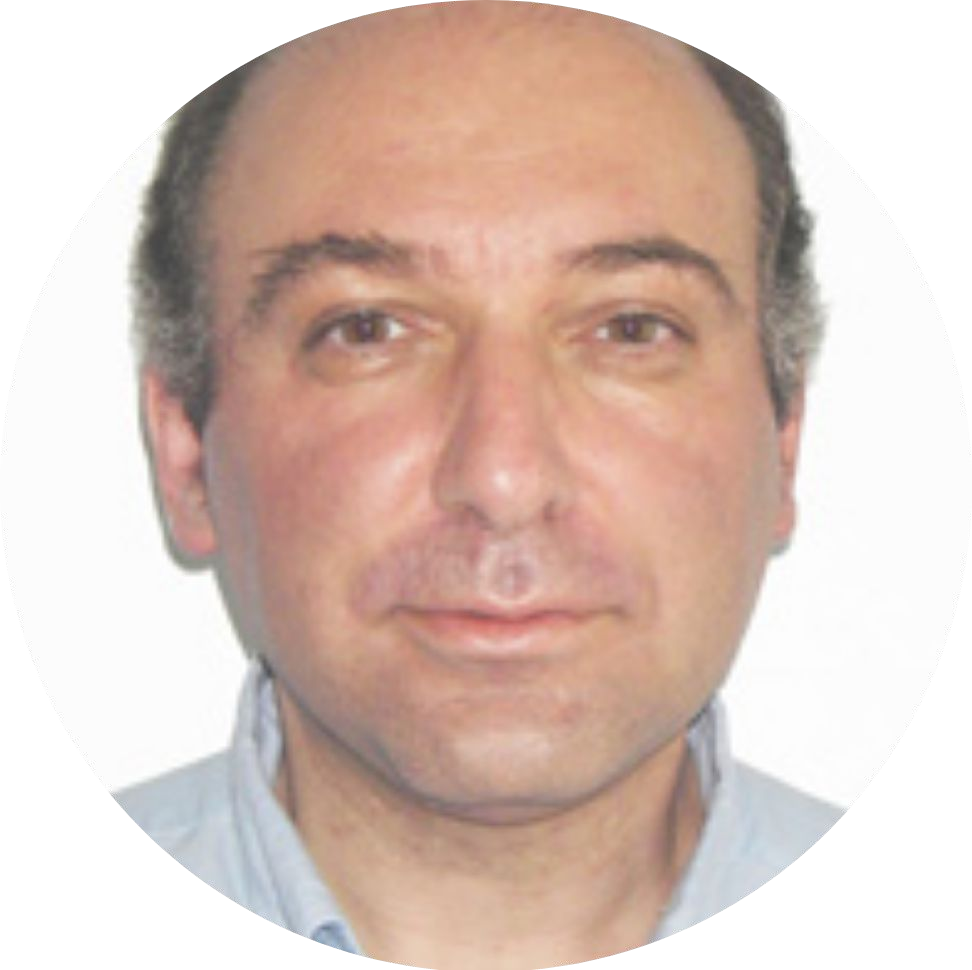 Director of Spatial Information Systems Laboratory, San Diego Supercomputer Center, UC San Diego
Disciplinary Expertise: Geology/Hydrology
Dr. Ilya Zaslavsky is the Director of the Spatial Information Systems Laboratory at the San Diego Supercomputer Center, UC San Diego. His research focuses on distributed information management systems, particularly spatial and temporal data integration, geographic information systems, spatial data analysis, and visual analytics. As a technical design and development lead, he has contributed to several cyberinfrastructure projects, including the CUAHSI Hydrologic Information System, WIFIRE, and the EarthCube Data Discovery Studio, and worked on spatial data management in fields like neuroscience, geology, epidemiology and disaster response. Dr. Zaslavsky holds Ph.D.s from the University of Washington and the Russian Academy of Sciences. He received research support from NIH, NSF, USGS, US Department of State, Microsoft, ESRI, and other organizations.
Antti Pulkkinen
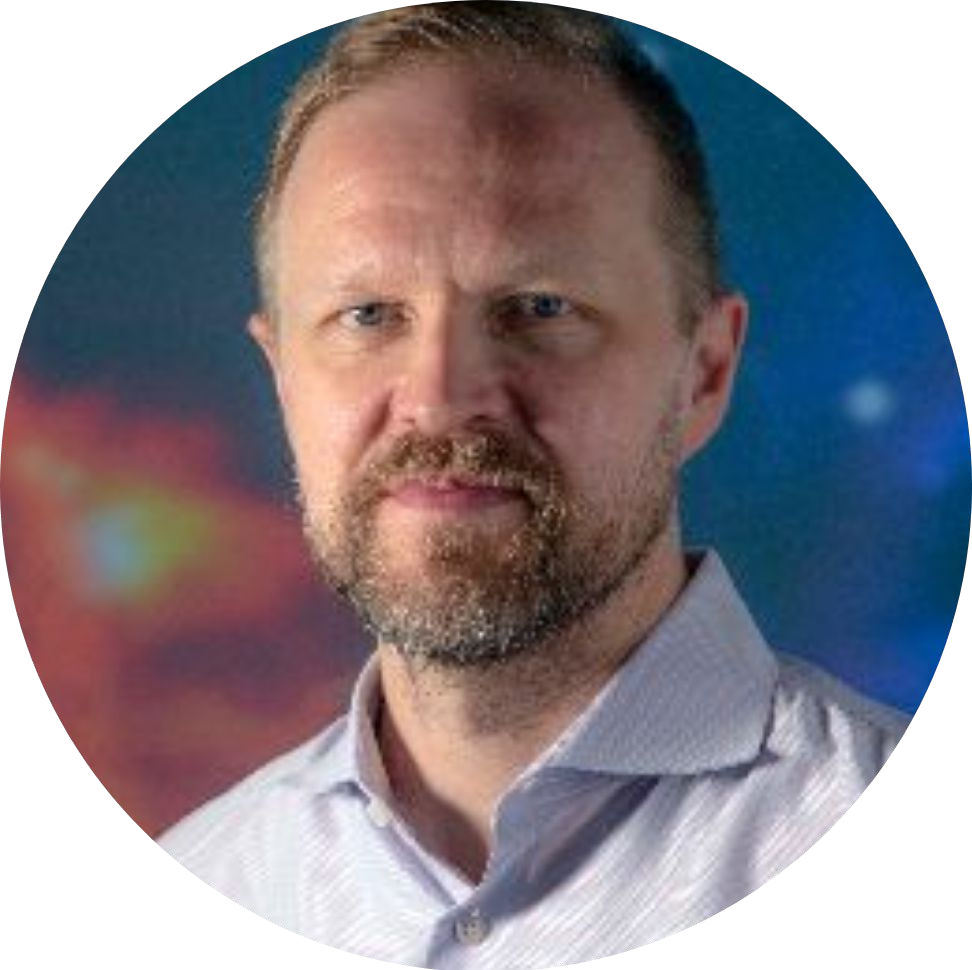 Director of the Heliophysics Science Division, NASA Goddard Space Flight Center
Disciplinary Expertise: Heliophysics/Space Weather
Dr. Antti Pulkkinen is the Director of NASA’s Heliophysics Science Division at GSFC, a role he has held since 2021. He joined NASA in 2004 as a postdoctoral researcher, focusing on magnetosphere-ionosphere dynamics and space weather. He earned his Ph.D. in space weather and later served as Associate Director at the Institute for Astrophysics and Computational Sciences and Associate Professor at The Catholic University of America. In 2013, he became a NASA civil servant, leading the Space Weather Research Center. Dr. Pulkkinen’s work has earned him the NASA Exceptional Achievement Award (2015) and the International Kristian Birkeland Medal (2016).
Brad Aagaard
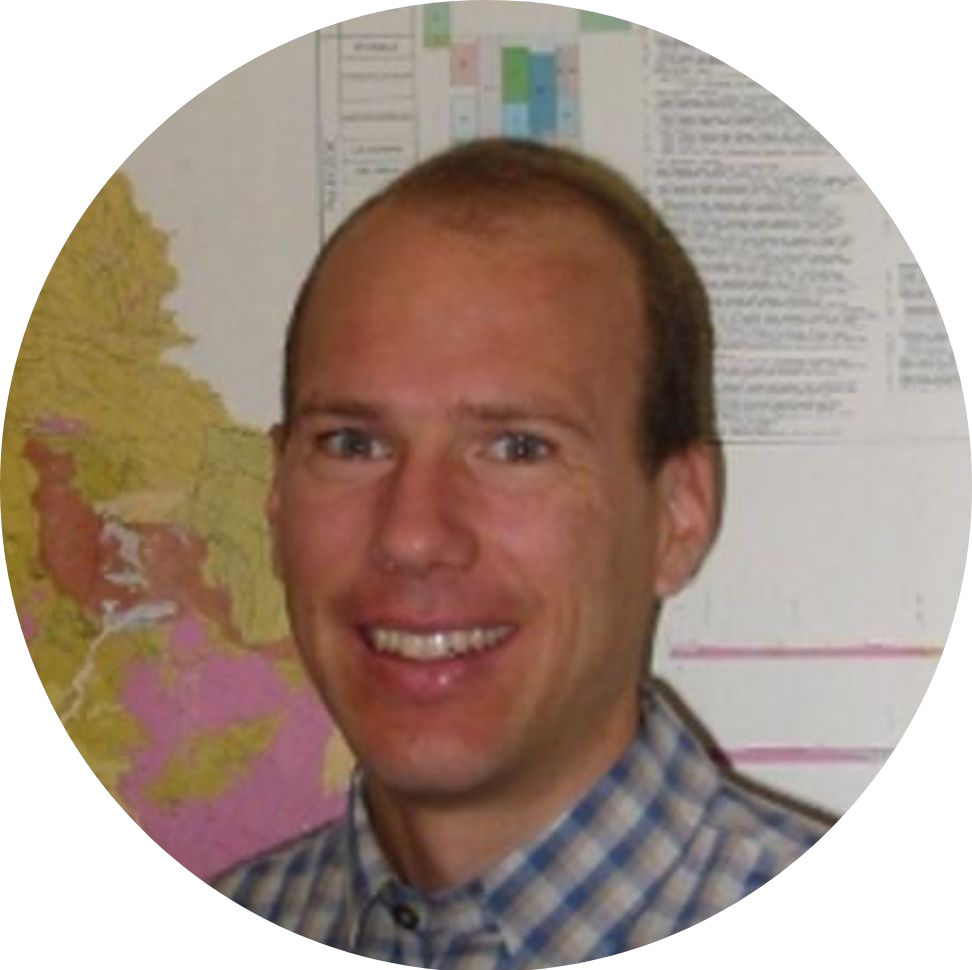 Research Geophysicist, U.S. Geological Survey
Disciplinary Expertise: Seismology/Geophysics
Dr. Brad Aagaard is a research geophysicist at the U.S. Geological Survey (USGS), specializing in earthquake ground shaking, seismic hazard analysis, and geophysical modeling. He works on projects that assess the impact of seismic hazards on infrastructure and communities, and he has contributed to the development of earthquake ground shaking models used in hazard assessments. Dr. Aagaard has also been involved in post-earthquake investigations to improve understanding of earthquake effects and improve hazard mitigation strategies. His research helps inform policies and tools for disaster preparedness and response.
D. Sarah Stamps
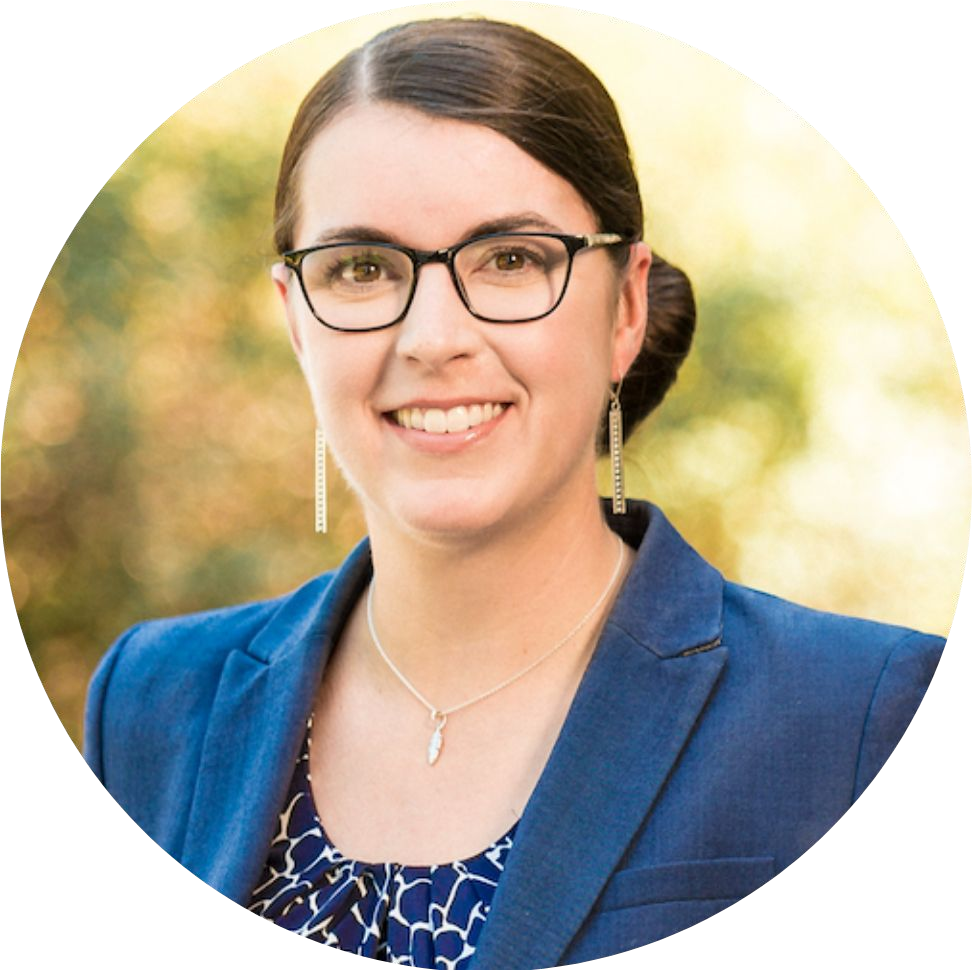 Associate Professor of Geophysics, Virginia Tech
Disciplinary Expertise: Seismology/Geophysics
Dr. D. Sarah Stamps is an American geophysicist that measures millimeter precision surface motions with GNSS/GPS and employs computational modeling to investigate the physics driving those motions. She is also intent on helping to modernize geosciences for our cyber-connected society and advancing geoscience technical expertise in developing countries. Dr. Stamps is a tenured associate professor in academia producing geodetic data, performing numerical and high performance computational modeling, and investigating geophysical phenomena related to active tectonics with applications to geothermal resources, as well as seismic, volcanic, and coastal hazards. She earned her Ph.D. in Geophysics/Geodesy from Purdue University in 2013 and a B.Sc. in Earth Sciences from The University of Memphis in 2007.
Jennifer Jackson
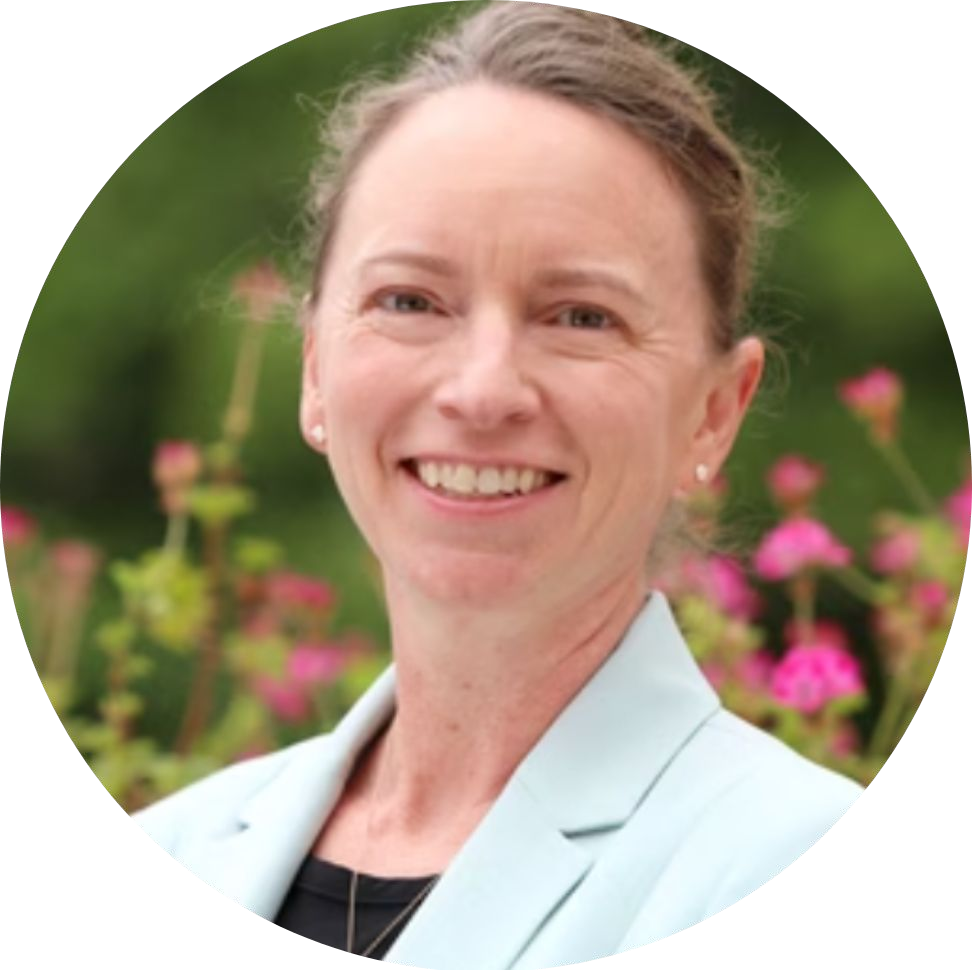 Professor of Mineral Physics, Caltech
Disciplinary Expertise: Mineral Physics/Geophysics
Dr. Jennifer Jackson is the William E. Leonhard Professor of Mineral Physics at Caltech. She holds a B.S. from the University of Illinois, Urbana-Champaign (1999), M.S. from the University of Notre Dame (2000), and Ph.D. from the University of Illinois (2005). Her research focuses on materials in Earth’s deep interior and planetary bodies, using experimental techniques like diamond-anvil pressure vessels and x-ray scattering. Dr. Jackson is also developing novel geophysical methods, such as balloon-based platforms to detect seismicity on Venus. She fosters interdisciplinary collaborations at Caltech, JPL, and the broader scientific community.
Amy Smith
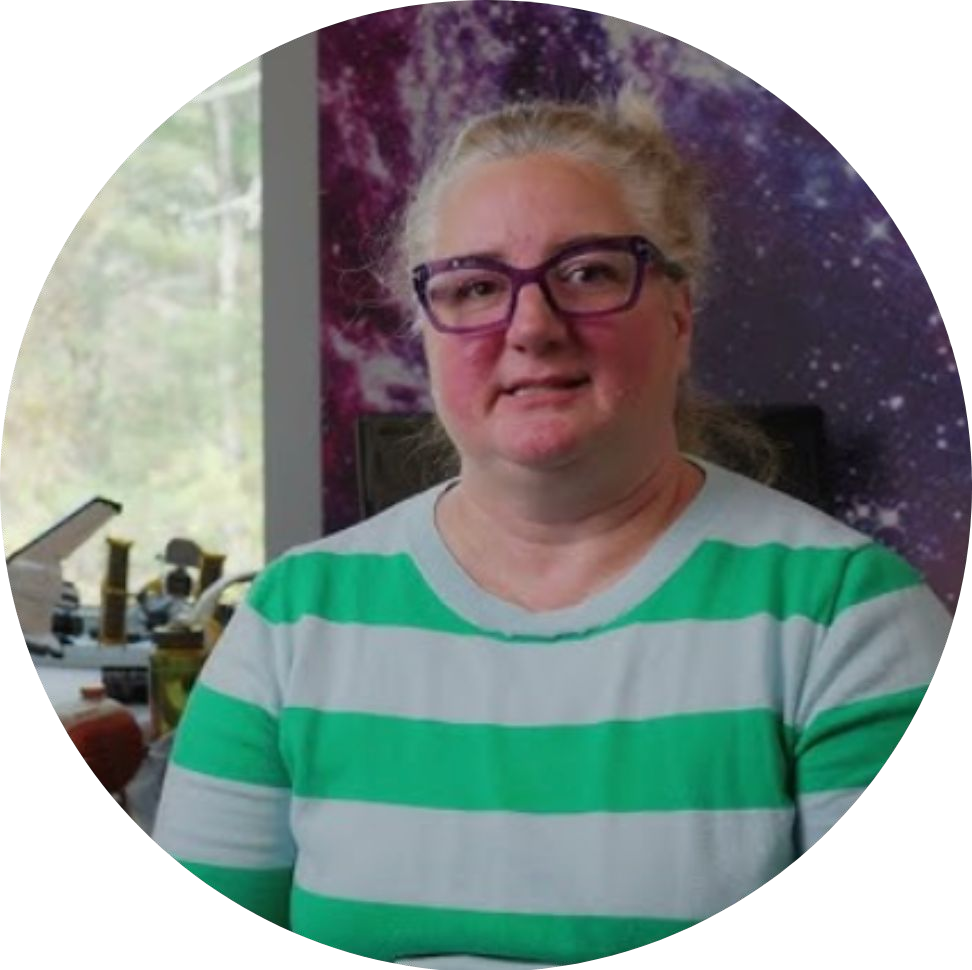 Assistant Professor in Biology, Bards College at Simon’s Rock
Disciplinary Expertise: Biological & Physical Sciences
Dr. Amy Smith is an Assistant Professor of Biology at Simon’s Rock College. She holds a Ph.D. in Ocean, Earth, and Atmospheric Sciences from Oregon State University (2017) and an M.S. in Biology from Portland State University (2011). Her research focuses on subsurface microbiology, astrobiology, and early metabolisms, with a focus on microbial ecosystems in oceanic environments. Dr. Smith has worked at the Woods Hole Oceanographic Institution and the Marine Biological Laboratory. Her work explores the emergence of life on Earth and the potential for life on other planets. She began teaching at Simon’s Rock in 2021.
Danie Kinkade
 Director, Biological and Chemical Oceanography Data Management Office
Disciplinary Expertise: Biological & Physical Sciences
Dr. Danie Kinkade is an Information Systems Specialist and Director of the Biological and Chemical Data Management Office (BCO-DMO) at the Woods Hole Oceanographic Institution. With a master’s degree in oceanography and over 25 years of experience managing oceanographic research data, her research interests focus on the intersection of information management, ocean research, and community building. She uses novel technologies and best practices to improve data discovery, access, and analysis. Dr. Kinkade is active in data management community efforts and has held leadership roles in programs like the US Council of Data Facilities, NSF EarthCube, ESIP, and AGU’s Informatics Section.
David Schimel
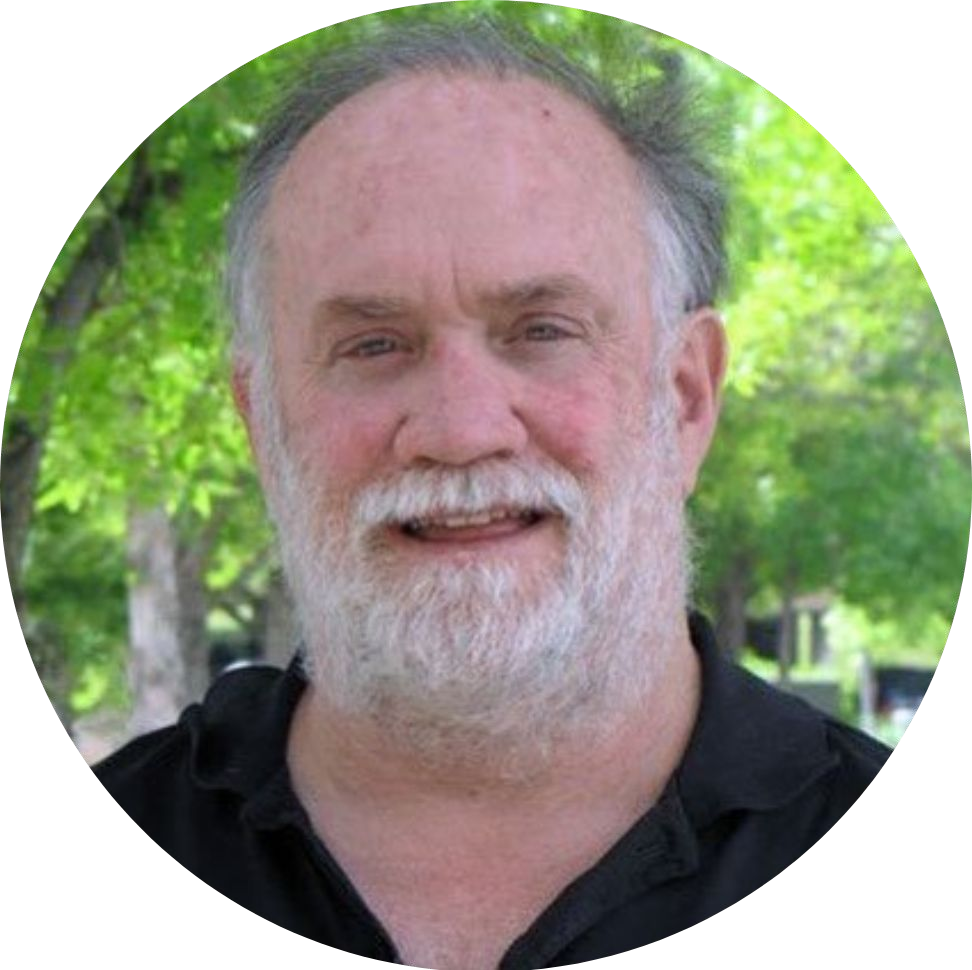 Research Scientist, Jet Propulsion Laboratory, California Institute of Technology
Disciplinary Expertise: Atmospheric Science/Climate Science
Dr. David Schimel is a leading Earth scientist specializing in carbon cycles and ecosystems. He holds a B.A. from Hampshire College (1977) and a Ph.D. from Colorado State University (1982). Currently a research scientist at the Jet Propulsion Laboratory (JPL), Dr. Schimel has held key leadership roles, including Chief Science Officer for NEON and senior scientist at NCAR. He was also a founding director at the Max Planck Institute for Biogeochemistry. Dr. Schimel’s research focuses on carbon balance, climate systems, and atmospheric composition, earning him numerous awards, including a Nobel Peace Prize as part of the IPCC team.
Matt Mayernik
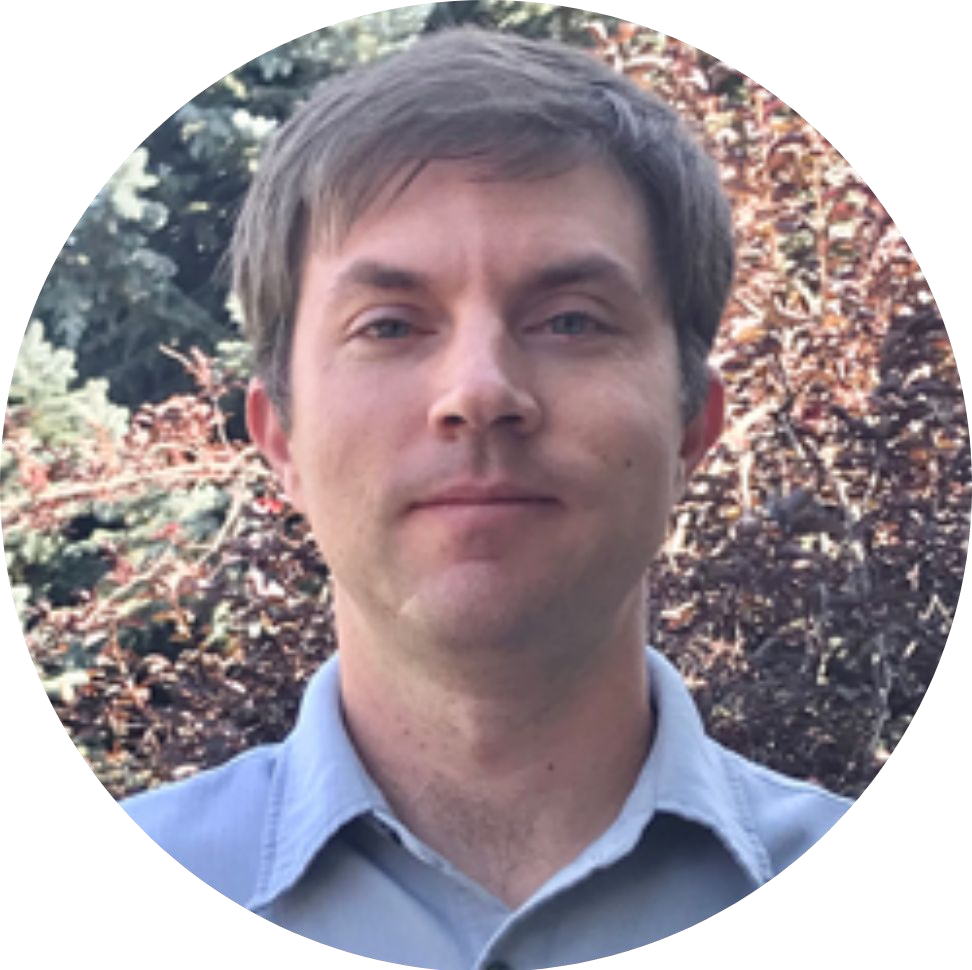 Deputy Director, NCAR Library
Disciplinary Expertise: Atmospheric Science/Climate Science
Dr. Matthew Mayernik is the Deputy Director of the library at the National Center for Atmospheric Research (NCAR) in Boulder, CO, where he focuses on digital scholarship and data management. He is also a Guest Faculty Member and Affiliate Assistant Professor at the University of Washington Information School, teaching research data curation. His research interests include metadata standards, data curation education, and scholarly communication. Dr. Mayernik is the Joint Editor-in-Chief of the Data Science Journal and holds a Ph.D. in Information Studies from UCLA.
Emily Shroyer
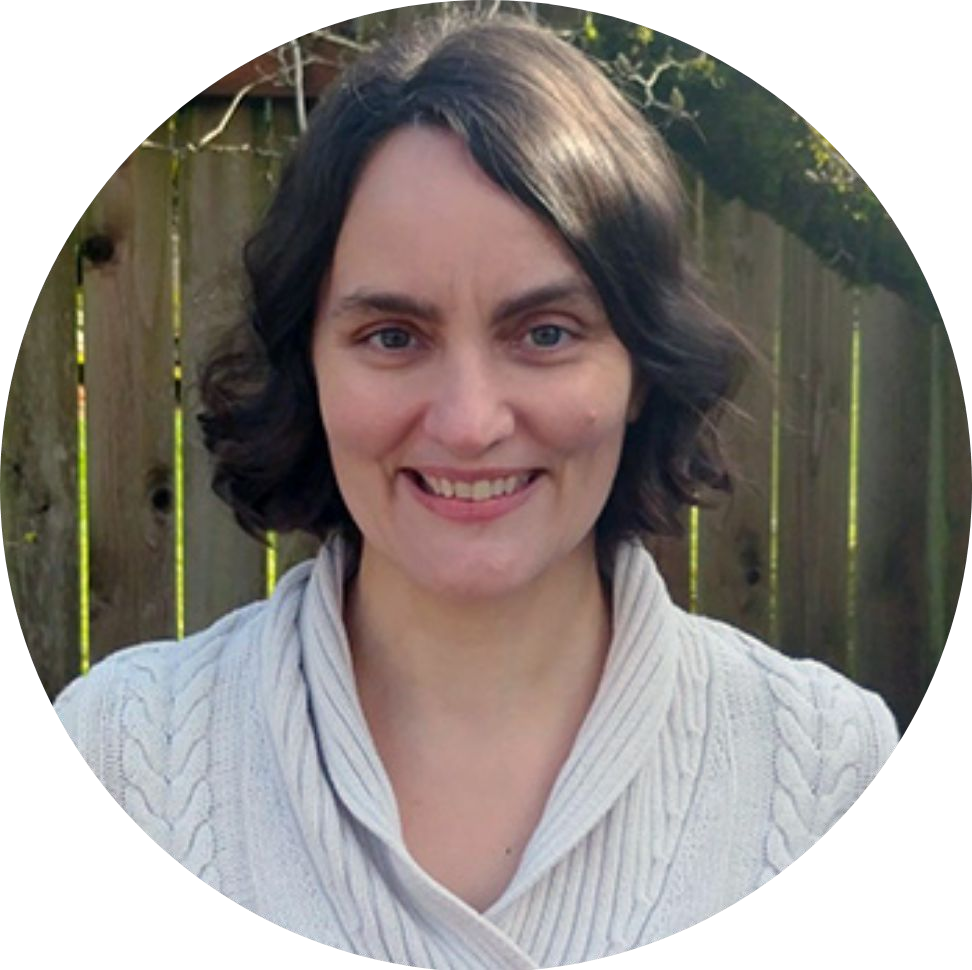 Oceanographer, Office of Naval Research
Disciplinary Expertise: Ocean Science/Polar Science
Dr. Emily Shroyer is a sea-going physical oceanographer and Program Officer at the Office of Naval Research since 2021. She has 15 years of experience in the field, with research focusing on air-sea interactions, ice-sea interactions, and the effects of turbulence and mixing on ocean circulation. Dr. Shroyer is also an Associate Professor at Oregon State University’s College of Earth, Ocean, and Atmospheric Sciences, where she has held faculty positions since 2011. She earned her Ph.D. in Oceanography from Oregon State University in 2009. Previously, Dr. Shroyer was a postdoctoral investigator and scholar at Woods Hole Oceanographic Institution. She is a member of AAAS, AGU, and AMS.
Chase Million
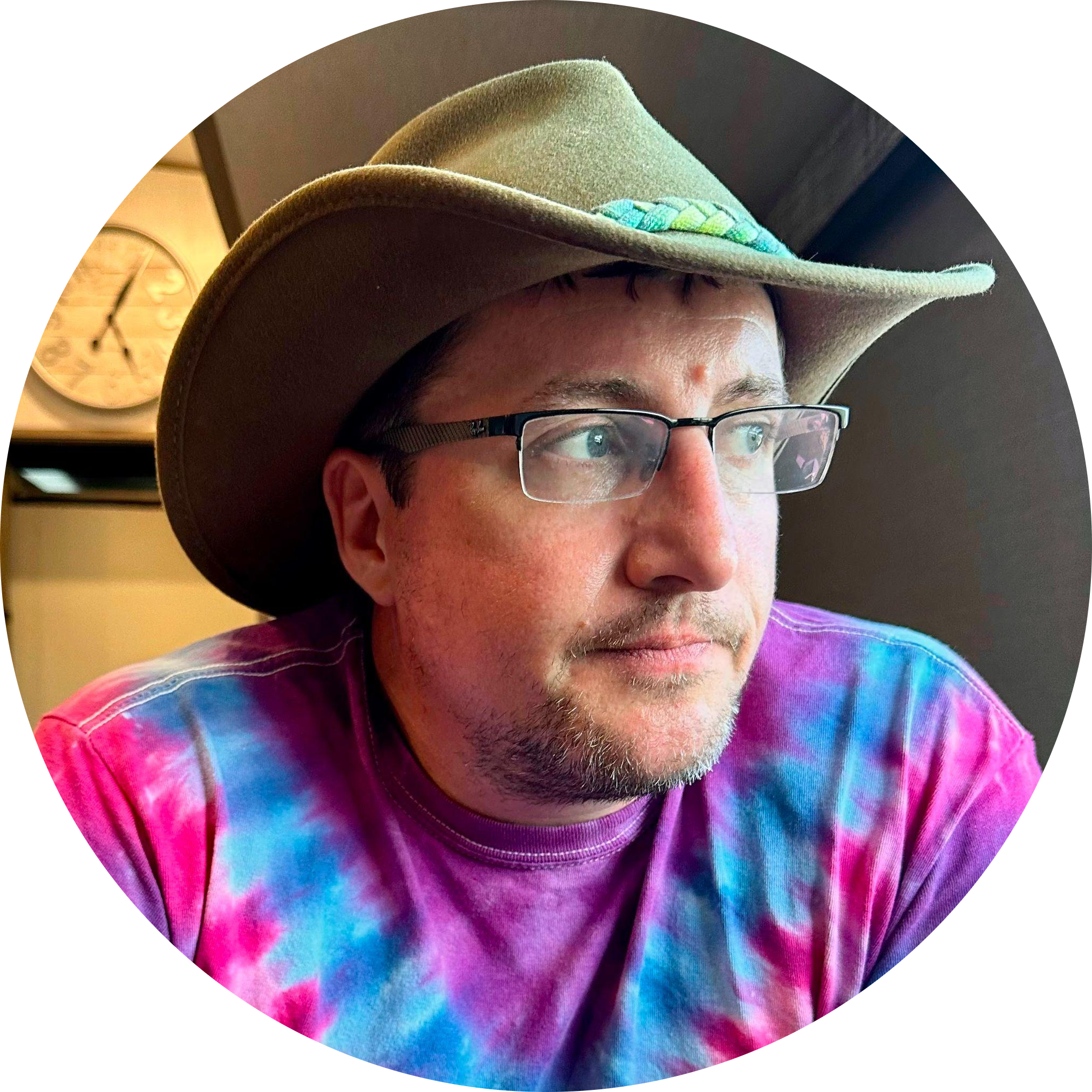 CEO of Million Concepts; Founding board member of OpenPlanetary
Disciplinary Expertise: Remote Sensing/Planetary Science
Dr. Chase Million is a scientist and software engineer with nearly 20 years of experience in planetary science and space missions. He develops software for analyzing Mastcam-Z data and previously worked on Mars Exploration Rover’s Pancam and GALEX missions. Dr. Million is the founder of Million Concepts and a board member of OpenPlanetary, promoting open, reproducible research workflows. His work has improved scientific workflows and data accessibility for planetary science, including contributions to NASA research grants and archiving planetary data. He is also an advocate for open-source software and scientific software best practices.
Christopher Mason
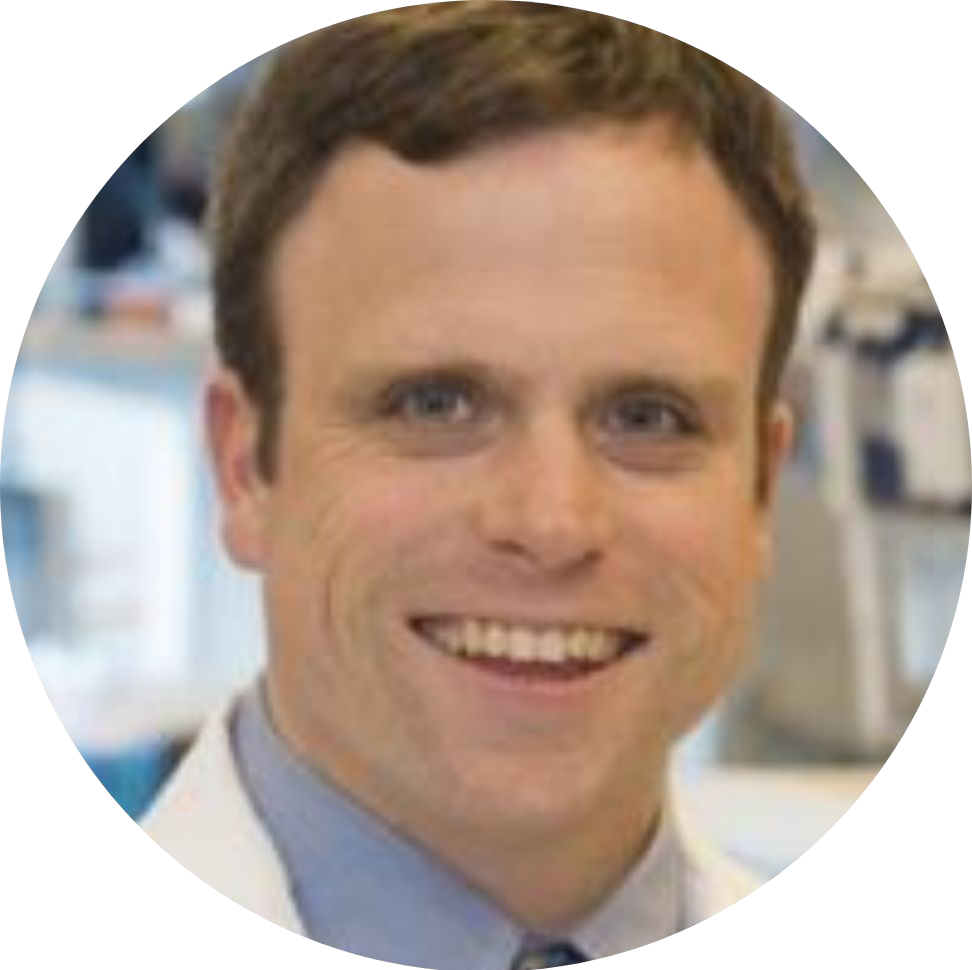 Professor of Physiology and Biophysics, Cornell University
Disciplinary Expertise: Biology & Medicine in Space Exploration
Dr. Christopher E. Mason is a geneticist and computational biologist specializing in genomics and space medicine. He is a Professor of Genomics, Physiology, and Biophysics at Weill Cornell Medicine and Director of the WorldQuant Initiative for Quantitative Prediction. As a Principal Investigator and Co-investigator on 11 NASA missions, his research focuses on the molecular effects of long-term space travel, space-based DNA sequencing, and novel genetic technologies. He holds affiliate positions at the New York Genome Center, Yale Law School, and Harvard Medical School’s Consortium for Space Genetics. Dr. Mason is also the author of The Next 500 Years: Engineering Life to Reach New Worlds.
Pascal Hitzler
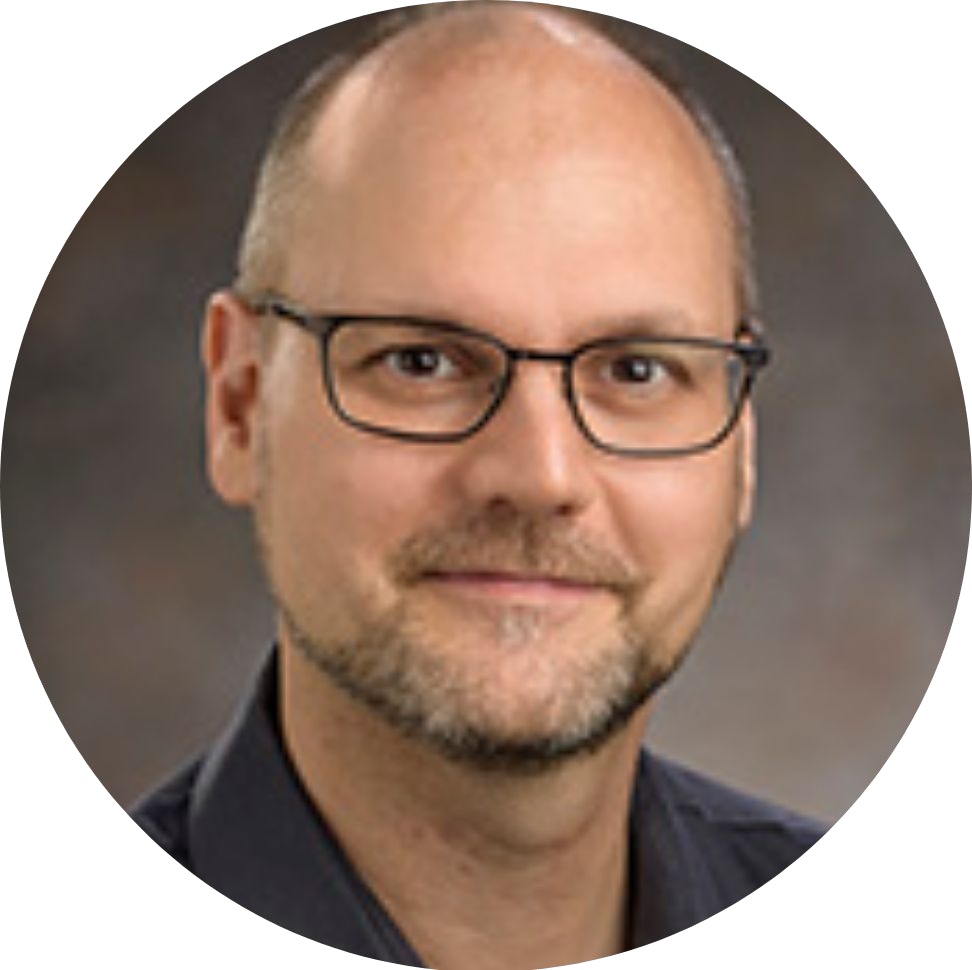 Professor of Computer Science, Kansas State University
Disciplinary Expertise: Knowledge Management and AI
Dr. Pascal Hitzler is the Lloyd T. Smith Creativity in Engineering Chair and a Professor of Computer Science at Kansas State University, where he directs the Center for Artificial Intelligence and Data Science (CAIDS) and co-directs the Institute for Digital Agriculture and Advanced Analytics (ID3A). His research spans artificial intelligence, knowledge representation, and the semantic web, with over 400 publications. He is the founding Editor-in-Chief of the Semantic Web and Neurosymbolic Artificial Intelligence journals and co-author of the W3C Recommendation OWL 2 Primer and Foundations of Semantic Web Technologies. He holds a Ph.D. in Mathematics from University College Cork, Ireland. For more information, see https://people.cs.ksu.edu/~hitzler/
Matthew Graham
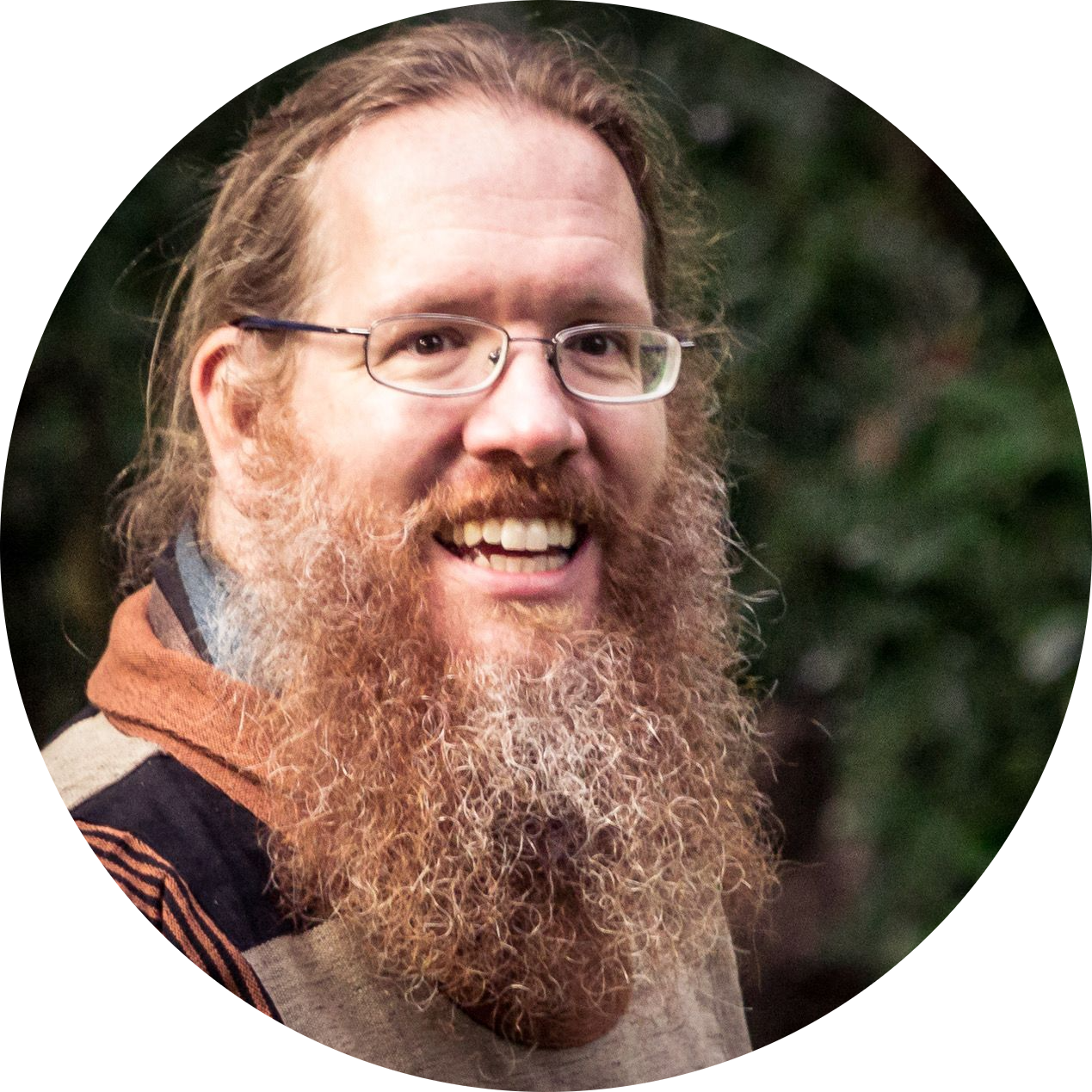 Research Professor of Astronomy, Caltech
Disciplinary Expertise: ADSUG Chair, Astrophysics and AstroInformatics
Dr. Matthew Graham is Research Professor of Astronomy at the California Institute of Technology and the Project Scientist for the Zwicky Transient Facility (ZTF), the first of a next generation of time-domain sky surveys producing hundreds of thousands of public transient alerts per night. He has previously worked on the Catalina Real-time Transient Survey (CRTS), a still unmatched data set in terms of temporal baseline coverage; the NOAO DataLab; the Virtual Observatory; and the Palomar-Quest Digital Sky Survey. His main research interests are the application of machine learning and advanced statistical methodologies to astrophysical problems, particularly the variability of quasars and other stochastic time series. He is the Chair of the AAS Working Group on Astrostatistics and Astroinformatics and a member of the executive councils of the International Astrostatistics Association and the International Astroinformatics Association.
C. Alex Young
 Associate Director for Science Communication, NASA Goddard Space Flight Center
Disciplinary Expertise: Heliophysics
Dr. Alex Young is an astrophysicist and science communicator specializing in heliophysics, space weather, data science, and public outreach. With over two decades of experience in research, education, and media engagement, he has dedicated his career to advancing our understanding of solar dynamics and their impact on Earth. Dr. Young has authored numerous journal articles, written popular science pieces, and delivered presentations around the world to share his work and inspire curiosity. His goal is to connect people with the wonders of space and empower them with knowledge about our universe.
Anand “Sunny” Narayanan
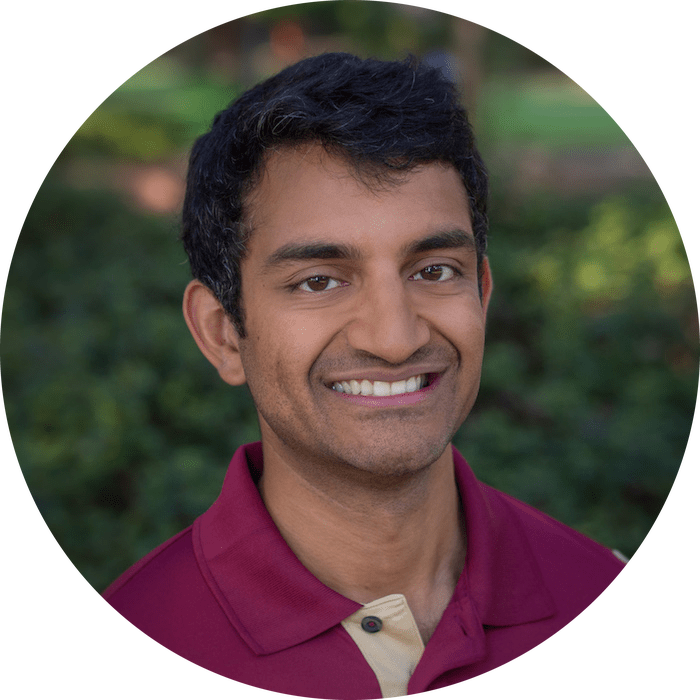 Research Faculty, Florida State University
Disciplinary Expertise: Space Physiology/Human Space Exploration
Dr. Anand “Sunny” Narayanan is a Research Faculty member at Florida State University specializing in space and medical physiology. He earned his Ph.D. in Medical and Space Physiology from Texas A&M University and dual B.S. degrees in Mechanical Engineering and Biology from West Virginia University. His research investigates the physiological effects of deep space radiation and reduced lunar and Martian gravity on the cardiovascular, immune, and musculoskeletal systems, with findings relevant to human missions to the Moon and Mars. Dr. Narayanan has supported NASA projects since serving as a high school intern, including systems engineering work at the Katherine Johnson IV&V Facility and biomedical research flown to the International Space Station. A first-generation immigrant from a disadvantaged background, he is active in mentoring students and early-career professionals pursuing human spaceflight careers.
Stephanie Jarmak
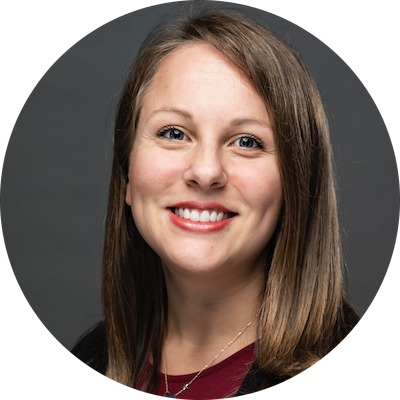 Applied Research Scientist & AI Agent Advocate, Sourcegraph
Disciplinary Expertise: Planetary Science/AI for Scientific Discovery
Dr. Stephanie Jarmak is an Applied Research Scientist and AI Agent Advocate at Sourcegraph, where she leads applied research on agentic systems and code intelligence. She previously served as Project Scientist for Planetary Science at NASA’s Astrophysics Data System (ADS) and SciX, developing NLP and knowledge-graph capabilities for scientific discovery, and conducted research at the Southwest Research Institute analyzing JWST and spacecraft data. Dr. Jarmak earned her Ph.D. in Physics/Planetary Science from the University of Central Florida, an M.S. in Physics from Texas A&M University-Commerce, and a B.S. in Earth, Atmospheric and Planetary Sciences from MIT. Her research has spanned asteroid spectroscopy, regolith dynamics, and lunar dust mitigation for crewed missions, and she was honored by the International Astronomical Union with an asteroid naming in 2023.
Graziella Caprarelli
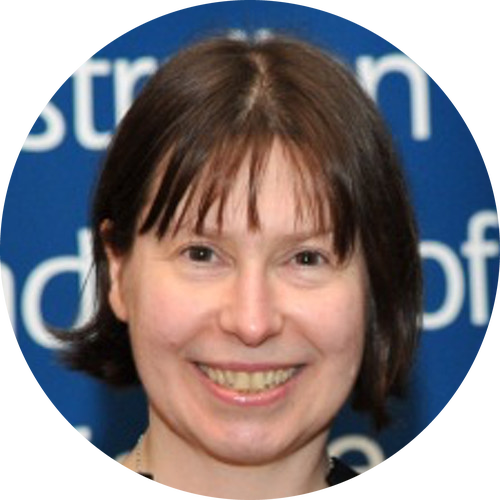 Adjunct Research Fellow, Centre for Astrophysics, University of Southern Queensland
Disciplinary Expertise: Planetary Geology/Mars Science
Dr. Graziella Caprarelli is an Adjunct Research Fellow at the Centre for Astrophysics, University of Southern Queensland, and Editor-in-Chief of the AGU journal Earth and Space Science. She earned her Ph.D. in Earth Sciences and M.S. in Geological Sciences from Sapienza University of Rome. Her research spans volcanic and tectonic processes on Earth and Mars, impact cratering of planetary surfaces, and the stability of water and ice on Mars, and she is a member of the MARSIS radar sounder science team on ESA’s Mars Express mission. Dr. Caprarelli is a Fellow of the Australian Institute of Geoscientists and was named Australian Space Scientist of the Year in 2021.
Questions or feedback? Contact us at adshelp@cfa.harvard.edu.